
Understanding Security System Inspections
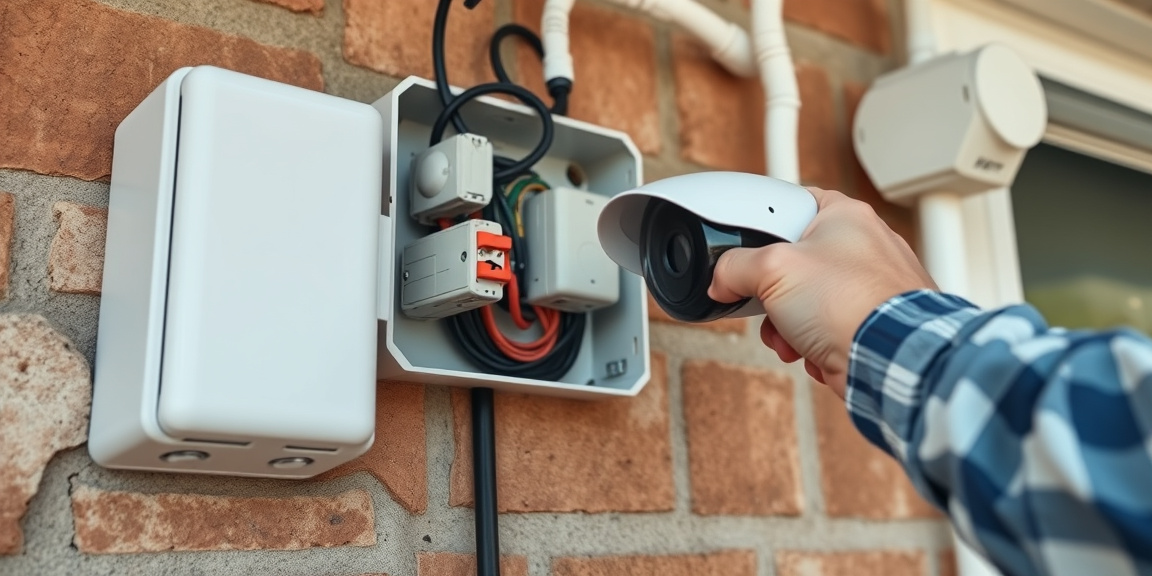
Security system inspections are an essential aspect of home safety evaluations. For homeowners in areas like Dallas and Houston, understanding the nuances of these inspections can help in identifying potential risks. These inspections are observational and focus on identifying any visible issues that may affect the system’s performance. Unlike repair services, inspections are aimed at educating homeowners about potential concerns.
Electrical Components and Risks
During a security system inspection, the electrical components are thoroughly evaluated. Issues like double tapped breakers hazard can be commonly observed, which may lead to electrical inefficiencies or potential safety hazards. In cities such as Austin, where older homes are prevalent, aluminum wiring risks are also a significant concern. These issues can often be noted during home inspections and may require further evaluation by a qualified professional.
Inspection Techniques
Inspectors utilize a variety of techniques to assess the condition of security systems. Visual inspections are non-invasive and focus on the system’s visible components. This approach helps in identifying any obvious signs of wear, damage, or improper installation that could compromise the system’s effectiveness.
Common Electrical Concerns
Among the most common issues identified during inspections are electrical faults. The presence of double tapped breakers is a frequent observation, which can indicate improper wiring practices. Similarly, aluminum wiring, particularly in older houses, poses a risk due to its propensity to overheat, which may require further evaluation.
Structural Components
While security systems primarily focus on electronics, their integration with a home’s structure is also inspected. Foundation cracks in North Texas homes can indirectly affect the integrity of a security system. For instance, structural shifts can misalign sensors or cameras, impacting their functionality. These observations can highlight the need for further assessment by structural experts.
Impact of Foundation Issues
Foundation issues often noted in regions like North Texas can have a cascading effect on home security systems. Slab foundation watering guide practices can help maintain structural integrity, but regular inspections are necessary to identify any arising issues. These inspections are crucial for ensuring that the security system remains fully operational.
Roof and Exterior Inspections
Roof boot leaks and missing kickout flashing are common exterior issues identified during inspections in areas like San Antonio. Such issues can lead to water ingress, which might damage electronic components of security systems. Regular inspections can help in recognizing these risk factors early.
Plumbing and HVAC Considerations
Security systems often integrate with various home systems, including plumbing and HVAC. Dirty AC coils energy cost is a concern as it indicates inefficiencies that might affect the overall home environment, indirectly impacting security system performance. Similarly, HVAC duct leaks in the attic can lead to temperature fluctuations, potentially affecting sensitive equipment.
Plumbing Hazards
Older homes in places like Houston may still have cast iron pipes, which are prone to corrosion. Inspectors commonly observe these during security inspections, as leaks or water damage can affect system components. Polybutylene pipe risks are another concern, known for their tendency to fail under pressure.
HVAC System Interactions
The interaction between security systems and HVAC setups is often understated. Inconsistencies in HVAC performance, such as duct leaks, can influence security system sensors, leading to false alarms or system failures. Ensuring that these systems are regularly inspected helps maintain their reliability.
Relevant Standards
According to commonly referenced guidance within the IRC and NEC, certain conditions are generally evaluated during inspections for safety and performance considerations. These standards provide a framework for inspecting various components of a security system, ensuring they meet safety and operational guidelines.
Importance of Standards
Adherence to the IRC and NEC standards during inspections is critical for identifying potential safety and performance issues. These standards help inspectors to provide a thorough evaluation, highlighting areas that may need further professional assessment.
Guidance for Texas Homeowners
Texas homeowners, particularly in regions like Central Texas and Corpus Christi, benefit from understanding these standards as they navigate security system inspections. This knowledge empowers them to make informed decisions about system upgrades or repairs, ensuring continued safety and efficiency.
Conclusion: The Role of Inspection Time
Inspection Time plays a pivotal role in offering thorough and educational security system inspections across Texas. Our focus on observational evaluations and adherence to industry standards ensures that homeowners are well-informed about potential risks and necessary follow-up actions. By choosing Inspection Time, homeowners gain valuable insights into their security systems, enabling them to maintain a safe and secure home environment.